HyPro
The consortium is focusing on optimising the four common electrolysis technologies AEM, PEM, alkaline, and SOE, as well as plasma as a relative newcomer. Although alkaline as a technology has been around for about a hundred years, there is still a long way to go to perfect it. The other three technologies also each have their own obstacles and imperfections. In the case of alkaline electrolysis, flexibility in particular is the major challenge. The proton-exchange-membrane (PEM) electrolysers widely used in Europe contain PFAS components, or fluorine compounds. Here, the focus is on working with companies to make fluorine-free membranes using new technologies and materials. Solid oxide electrolysis (SOE) is the only technology that functions at high temperatures, which makes the process very efficient, but electrolyser components are subject to rapid wear and tear. Extending the life of components is the big challenge here.
Partners
Knowledge organisations: TNO, Utrecht University, Leiden University, TU Delft, University of Groningen, Maastricht University, TU Eindhoven, Radboud University, University of Amsterdam, University of Twente, Differ, Wageningen University, Saxion University of Applied Sciences, Avans University of Applied Sciences, Fontys University of Applied Sciences, HAN, Hanze University of Applied Sciences Groningen.
Companies: Total Energies, Shell, LyondellBasell, Johnsons Matthey, Braskem, RWE, Vatenfall, Ionbond, Hauzer, Veco, BASF, Teijin, Bosch, SolydEra, TOPSOE, FEV energy, Sairem, Bosal Group, Eneco, VDL, PRODRIVE, Sitech, I-Qatalyst, TSG Group.
Dutch startups: VS Particle, Powall, SALD, SparkNano, Nano Hybrids, NEWES, AVOXT, Circonica, Battolyser Systems, Dr Ten, HyET E-Trol, On2Quest, Adsensys, Fluidwell, HyStream, ELEXEL.
People involved:
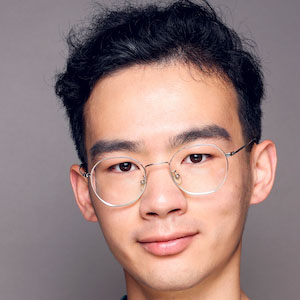

Jacob de Nobel
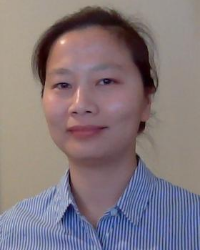
Yingjie Fan